
- Back
- Back
- Back
- Back
- Back
- Back
- Back
- Back
- Back
- Back
Last Updated on 22/06/2026 by Sarah Sarsby
A keynote session at the BHTA Joint Section Meeting on 18 June 2026, at the British Motor Museum in Warwickshire, explored the latest developments across the UK Government’s MedTech agenda.
The session was presented by Paul Griffiths, Head of Policy and Strategy for Medical Technology & Innovation at the Department of Health and Social Care (DHSC).
Opening the session, Paul highlighted the arrival of new ministers, including James Murray, Secretary of State for Health and Social Care, and Preet Kaur Gill, Minister for Life Sciences and Innovation.
He said the key message from the new ministerial team was the continuation of existing direction and priorities.
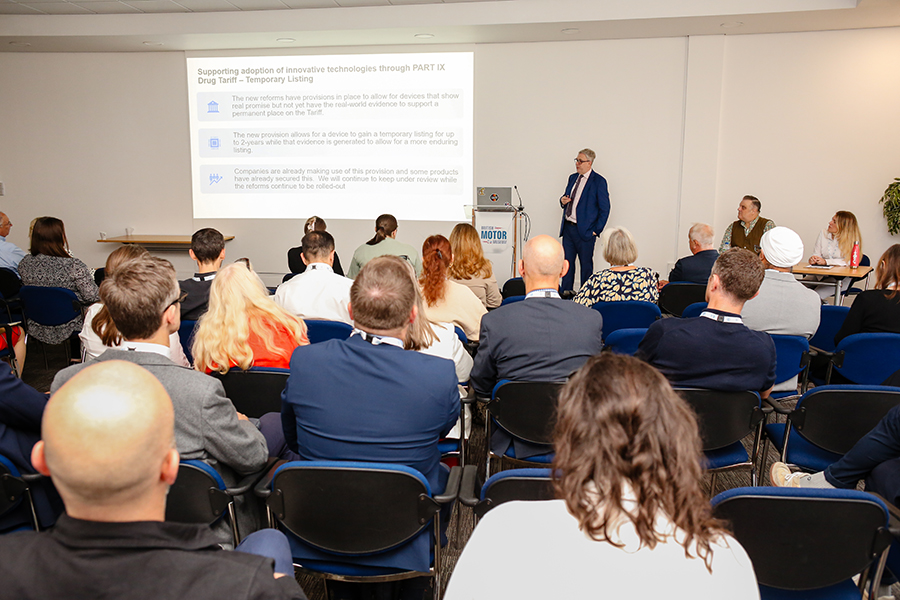
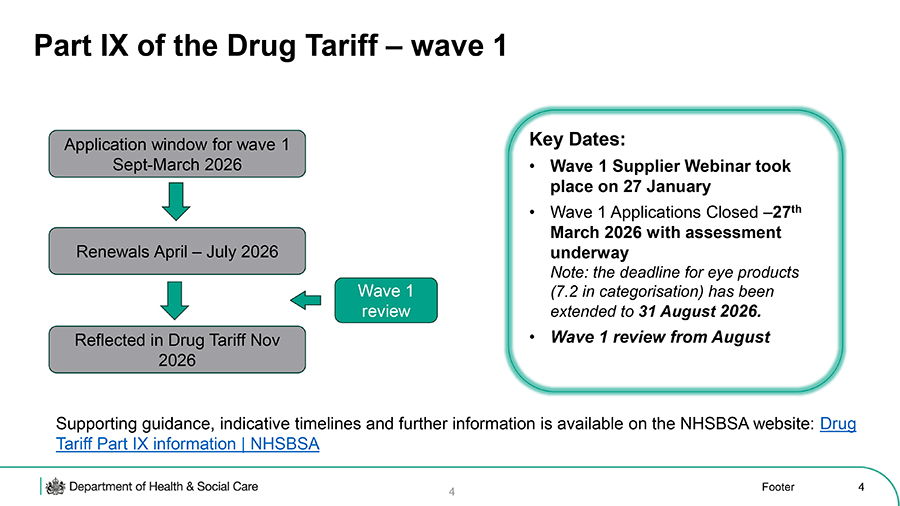
Wave One of the new Part IX process is now underway, with applications having closed in March and assessments being carried out by independent advisory panels.
Paul noted that a review will take place following the first wave to assess how the process is working in practice and identify any unintended consequences before future waves are introduced.
He also highlighted the introduction of temporary listings for products that demonstrate strong potential but require additional real-world evidence before being considered for permanent inclusion. The provision allows products to be listed for up to two years while further evidence is generated.
Paul said several companies are already making use of the temporary listing route, which has been introduced to help innovative products reach patients sooner while supporting further evidence generation.
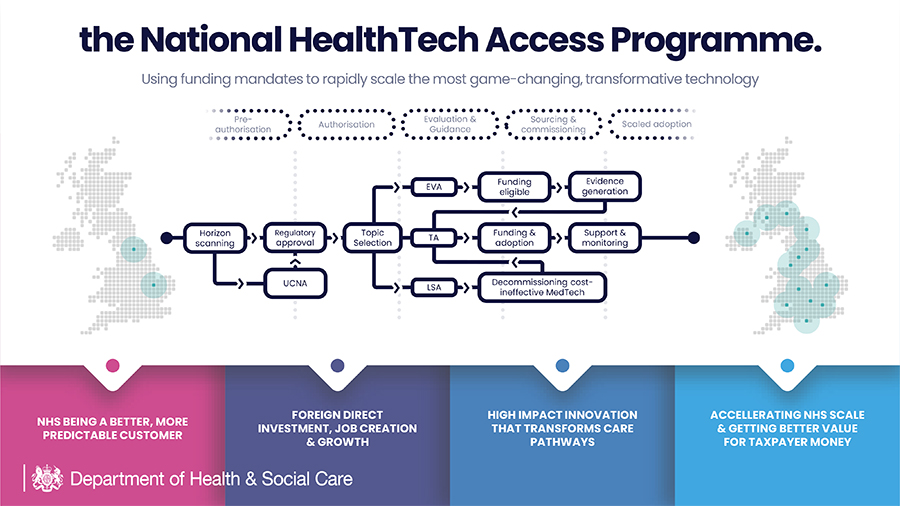
Members also received an update on the National HealthTech Access Programme, formerly known as the Rules-Based Pathway.
The programme aims to create a clearer route from regulatory approval through to evaluation, reimbursement, and NHS adoption. The first technologies have now entered the NICE Technology Appraisal process.
Paul said the programme is intended to make the NHS a more predictable customer for innovation, supporting both technology adoption and growth across the UK’s life sciences sector.
Following engagement with more than 300 SMEs and extensive work with NHS organisations, industry representatives, and other stakeholders, the government published guidance on value-based procurement for medical technology in June.
The approach has been tested through pilot projects at 13 NHS trusts, with an independent evaluation examining how the methodology performs in live procurement settings and what support organisations may need to implement it more widely.
Paul said the next phase will focus on training, implementation support, and adoption across NHS organisations.
Paul provided updates on Design for Life, the programme supporting the transition towards a more circular approach to MedTech.
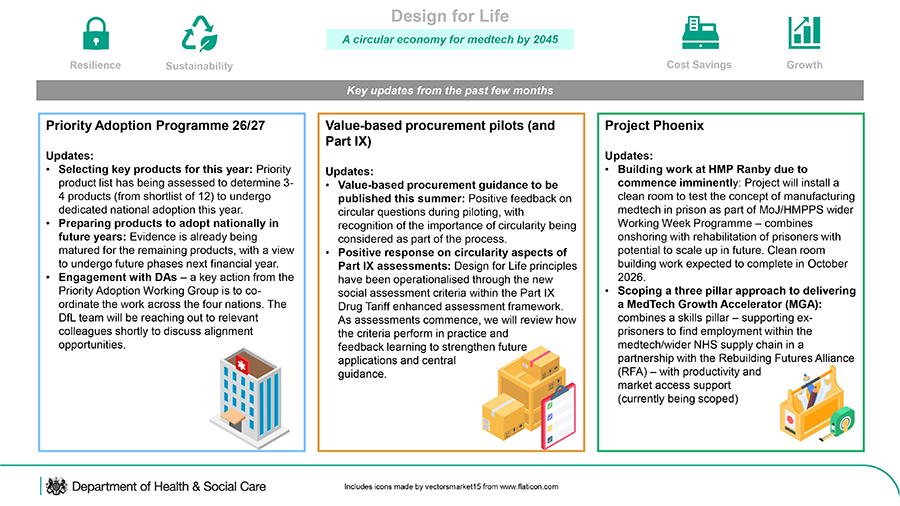
Work is continuing on priority adoption programmes, with sustainability considerations being incorporated into wider decision-making processes.
Alongside this, he outlined progress on Project Phoenix, which is developing a clean room in HMP Ranby to test the concept of manufacturing MedTech in prisons.
Another programme highlighted during the session was MedTech Compass, a DHSC-led platform designed to help NHS organisations compare products using trusted evidence sources.
The platform will bring together information from NICE guidance, pilot evaluations, procurement exercises, and other datasets to support purchasing decisions. The programme entered beta development in June.
Paul also noted that Compass has been identified as the delivery vehicle for the Innovator Passport programme, helping to support more consistent adoption of technologies across the NHS.
The session concluded with an update on several areas of regulatory reform.
Paul highlighted progress on pre-market regulation changes, which are moving through the final stages of development. He also discussed ongoing work around international recognition and reliance pathways, following consultation with industry and other stakeholders.
Paul also highlighted forthcoming recommendations relating to AI as a medical device.
Members also heard about ongoing discussions regarding industry payments disclosure. A series of stakeholder workshops has been taking place to explore different options and gather views from industry, patient groups, and NHS organisations before decisions are taken on next steps.