
- Back
- Back
- Back
- Back
- Back
- Back
- Back
- Back
- Back
- Back
Last Updated on 26/06/2026 by Sarah Sarsby
At the BHTA Joint Section Meeting 2026, held on 18 June 2026 at the British Motor Museum in Warwickshire, delegates heard from Rachel Russell, Head of Regional Advice at Foundations.
Her session introduced the Home Adaptations Installer Network (HAIN), a new initiative designed to improve confidence in home adaptations by creating a national network of accredited installers. Rachel explored why trusted contractors are essential to the Disabled Facilities Grant (DFG) process and how HAIN aims to benefit householders, installers, and local authorities alike.
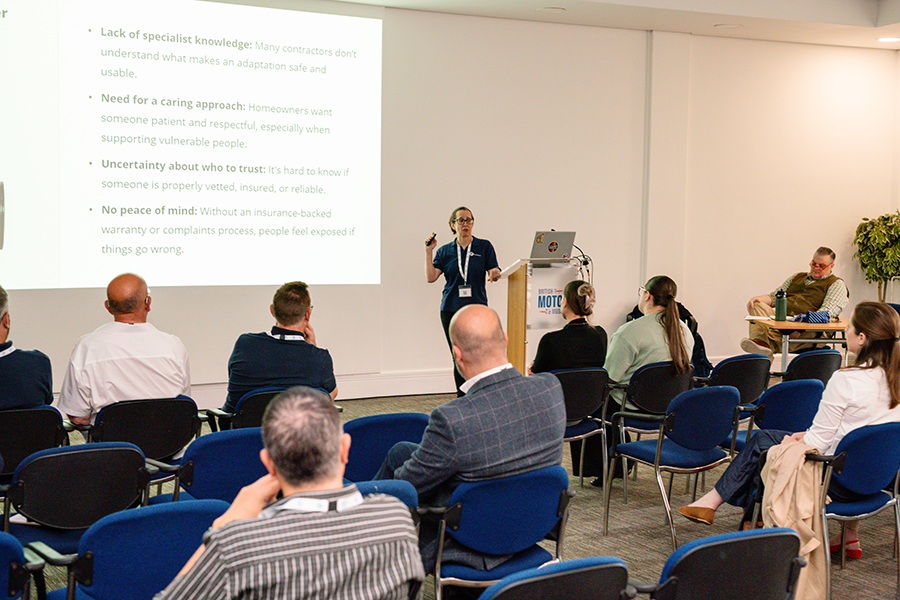
Opening the session, Rachel highlighted the growing importance of the DFG, noting that government investment has increased from around £230 million in 2013 to £733 million today. She explained that this reflects the increasing recognition of home adaptations as a key part of helping people live independently and supporting wider prevention across health and social care.
While contractors play a vital role in delivering adaptations, Rachel noted that they are often overlooked within the wider process. Although government guidance encourages local authorities to maintain lists of qualified contractors, many authorities still do not have formal accredited lists in place.
She outlined the challenges this creates for each stakeholder. For householders, finding installers with the specialist knowledge, empathy, and professionalism needed to work safely and respectfully in people’s homes can be difficult. For installers, differing registration requirements across local authorities create unnecessary administrative burdens, while inconsistent pipelines of work can make it harder to plan ahead. Local authorities, meanwhile, face significant resource demands in vetting contractors, maintaining approved lists, and managing complaints.
To address these challenges, Foundations has worked with TrustMark Scheme Provider Diversity to establish the Home Adaptations Installer Network.
The network provides a single, nationally recognised route for installers undertaking DFG work, giving local authorities access to vetted contractors while providing consumers with greater confidence when selecting an installer.
Rachel explained that all HAIN members are TrustMark registered and undergo comprehensive vetting, including financial and insurance checks, verification of qualifications and memberships, consumer review assessments, DBS checks, and director checks.
Members also commit to a Code of Practice covering clear quotations, respectful customer service, health and safety standards, insurance and guarantees, DBS requirements, and a transparent complaints process. Installers who fail to meet these standards can be removed from the scheme.
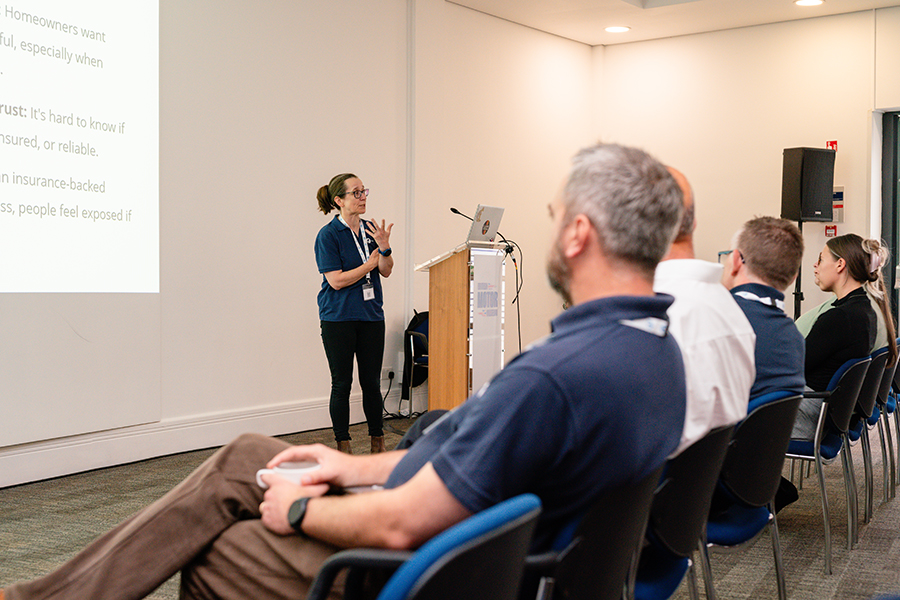
Rachel described HAIN as delivering benefits for everyone involved in the adaptations process.
For householders, the network offers reassurance that installers have specialist knowledge of home adaptations, have been independently vetted, and are supported by appropriate insurance, warranties, and a national complaints process.
For installers, a single registration process removes the need to complete multiple local authority applications, while increasing visibility to councils and consumers looking for trusted contractors. Members also gain access to ongoing technical guidance, training opportunities, and continuing professional development.
Local authorities benefit from access to a ready-made network of accredited installers without the administrative burden of carrying out their own vetting processes. Rachel explained that this can help reduce risk, improve consistency, and support faster delivery of DFG adaptations. The service is provided free of charge to local authorities.
Looking ahead, Rachel said the ambition is for the network to support not only DFG work but also the wider private home adaptations market, making it easier for older and disabled people to find trusted installers regardless of how their adaptations are funded.
The session highlighted the importance of collaboration in improving access to high-quality home adaptations. By bringing together installers, local authorities, and householders within a shared framework of quality and accountability, HAIN aims to raise standards, build confidence, and support more timely delivery of adaptations that enable people to live safely and independently at home.