
- Back
- Back
- Back
- Back
- Back
- Back
- Back
- Back
- Back
- Back
Last Updated on 11/12/2025 by Sarah Sarsby
A new report, published today by the All-Party Parliamentary Group (APPG) for Access to Disability Equipment, reveals a national crisis in community equipment services.
The BHTA and Newlife, supported by Tendo, helped parliamentarians launch the APPG for Disability Equipment Access. The BHTA continues to support the APPG for Access to Disability Equipment.
The new report details findings from the APPG’s inquiry into community care equipment and barriers to access.
Community equipment provides children, adults, and elderly people with disabilities or temporary care needs with often vital equipment, such as harnesses, grabrails, and hoists. However, the report has found that almost three-quarters of people feel that systems providing community equipment is not meeting their needs.
According to the report, the crisis is leaving thousands of vulnerable people without the essential medical equipment they need to live safely and independently. The summer-long inquiry found the issue is systemic. The sector is unable to innovate and is held back by a creaking system, carers are unable to dedicate sufficient time towards patients, and patients themselves reporting the system simply does not work for them.
The report has found evidence of users waiting months and sometimes years for critical care assessments and access to critical medical equipment.
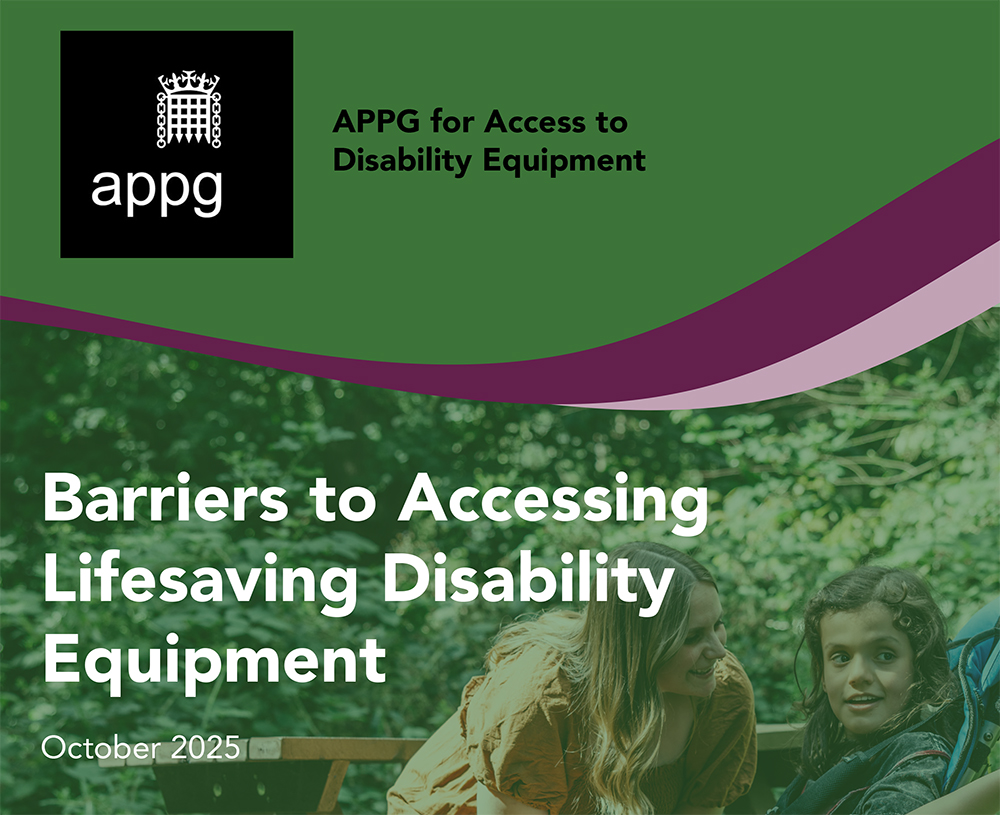
Entitled ‘Barriers to Accessing Lifesaving Disability Equipment’, the report found that:
Commenting on the report findings, David Stockdale, Chief Executive of the BHTA, said: “This report exposes the long-term, systemic challenges that those of us in the sector have been raising for years.
“The entire sector is committed to ensuring people have access to safe, high-quality equipment when they need it, but the lack of national oversight, inconsistent local commissioning, and insecure funding are undermining that goal.
“We urgently need a coordinated national approach that provides clear accountability, consistency across local areas, and robust, long-term investment. This report should serve as a catalyst for reform, ensuring the essential services that so many rely on are properly supported, resourced, and fit for the future.”
The APPG inquiry that fed into the report ran between July and September 2025. It has uncovered widespread evidence of systemic and in many cases unsafe delays.
The report found the crisis is in part caused by regional inequalities and the lack of national accountability, direction, and leadership. It concludes that long-term systemic fragmentation, underinvestment, and absence of political leadership are leaving vulnerable people and their families without the basic tools they need for dignity and independence.
To tackle the crisis, MPs on the APPG are calling on the UK Government to work with patients, carers, and industry to launch a dedicated strategy for community care equipment, overseen by a named Minister with clear responsibility for its delivery.
Launching the report in Parliament today, Daniel Francis MP, Chair of the APPG, said: “Across hundreds of testimonies, one message came through loud and clear: the system designed to support disabled children and adults is failing them. It is failing to deliver equipment on time, failing to provide the right support, and failing to listen to the very people it exists to serve.
“Under the current system we’re seeing children missing school, adults being forced out of work and carers injuring themselves. It’s failing patients, carers, and the sector alike, and it’s high time for the Government to get a grip.
“Access to community equipment is not privilege, it’s a daily necessity. We need a National Strategy for Community Equipment and clear leadership and accountability in its delivery. Ensuring everyone is given the right support at the right time is simply a matter of political will and commitment.”
The inquiry heard from 626 survey respondents, including equipment users, parents, carers, professionals, and suppliers. Many described a system that “barely scrapes the barrel of what people actually need to live their everyday lives”.
One equipment user told the APPG: “The delay has disabled me more and had a really negative impact on my mental health.”
Another parent said: “My child is being stunted by unsuitable equipment, missing vital years of development.”
Key report recommendations to government include reform funding and commissioning to focus on quality, not just cost, and support sustainable innovation, alongside reduce waiting times and delays through workforce investment and better coordination between the NHS and local authorities.
In addition, the report suggests that the government improves communication and transparency with families and carers through a national framework and central data monitoring; strengthens reuse and recycling systems so equipment no longer sits unused while others go without; and creates a National Advisory Board to give equipment users and carers a real voice in service design and delivery.