- Back
- Back
- Back
- Back
- Back
- Back
- Back
- Back
- Back
- Back
Last Updated on 01/10/2026 by Sarah Sarsby
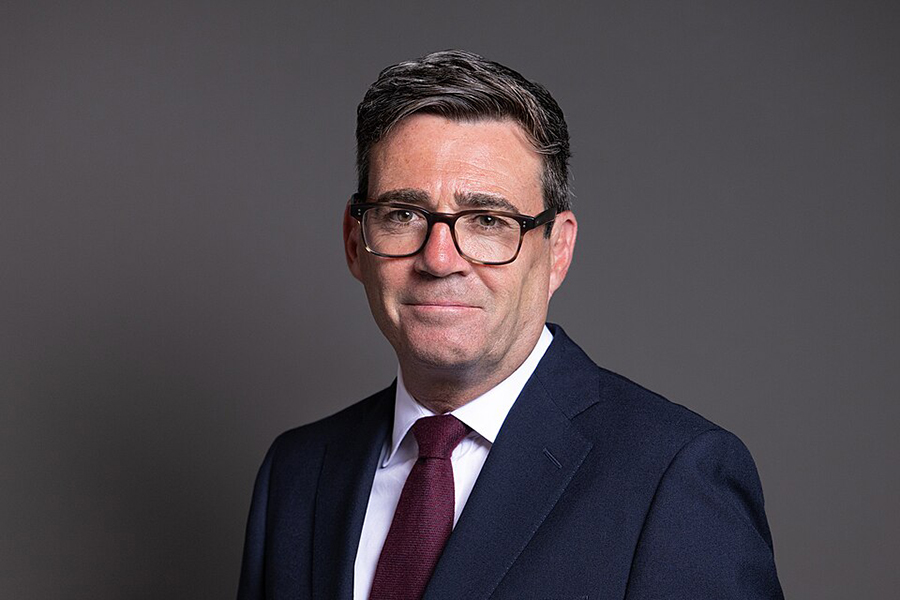
Prime Minister Andy Burnham has announced plans to establish a National Care Service in the next Parliament, providing free personal care for older people based on their needs rather than their ability to pay.
The plans follow the Prime Minister’s July announcement accelerating Baroness Casey’s review.
The proposed service would be introduced in phases. Baroness Casey’s independent commission will recommend how and when it should be developed, with its report due in summer 2027. Implementation would depend on funding becoming available and on building workforce and provider capacity.
Personal care would include support with everyday activities such as eating, bathing, and using the toilet. However, the proposed service would not cover accommodation and food costs. Existing means-tested council contributions towards these costs would remain.
Protections would also continue where a partner or dependent relative lives in a person’s home, with the property excluded from financial assessments in those circumstances. Deferred payment agreements would remain available to eligible people to help them avoid selling their home during their lifetime to meet care costs.
The service would be funded through savings from changes to the State Pension Triple Lock from April 2030. Currently, pensions rise annually by whichever is highest: earnings growth, inflation, or 2.5 percent. Under the proposals, annual increases would be at least inflation or 2.5 percent, with a separate mechanism to maintain the pension’s value relative to earnings over time.
The government estimates that the changes would reduce annual state pension spending by £15 billion by the end of the 2030s, rising to £50 billion a year by 2050. It says these savings would fund the National Care Service without borrowing, with provision expanding as funding and delivery capacity increase.
The announcement links social care reform to pressures on the NHS, including emergency departments and delays in discharging patients who no longer need hospital treatment but cannot access suitable support elsewhere.
Responding to the National Care Service plans, David Stockdale, Chief Executive of the British Healthcare Trades Association (BHTA), said: “The BHTA welcomes the plans for a National Care Service. Delivering these ambitions will require sustainable funding and a practical approach that recognises the role of equipment and assistive technology in supporting social care.
“BHTA members can help ensure older people have access to the right equipment, at the right time, and in the right place. This is essential to facilitating timely hospital discharges and enabling people to live independently.
“The announcement does not yet explain how healthcare equipment, assistive technology, and associated services would be incorporated into the new system. These should be considered from the outset in planning and commissioning, alongside personal care. Engaging with BHTA members will help identify how products, assessment, and ongoing support can work together to meet people’s changing needs.”
Further detail will be needed on eligibility, implementation, and how the service would work with existing provision. For members, the commission’s recommendations will help clarify potential implications for commissioning and service delivery.
Baroness Casey’s commission will continue developing recommendations through public engagement and cross-party discussions. The government says the next phase of its ‘Big Conversation on Care’ will begin shortly, providing a further opportunity for views to inform the service’s design.