- Back
- Back
- Back
- Back
- Back
- Back
- Back
- Back
- Back
- Back
Last Updated on 02/06/2025 by Sarah Sarsby
At ‘The Future of MedTech – Innovating for Tomorrow’ conference, hosted by the British Healthcare Trades Association (BHTA) and AXREM on 13 May 2025 in Northampton, Chris Corkan, Region Director at Make UK, delivered the first part of a compelling talk titled ‘The Economic and Political Landscape’.
Chris provided timely insights into the pressures and prospects currently facing UK manufacturers.
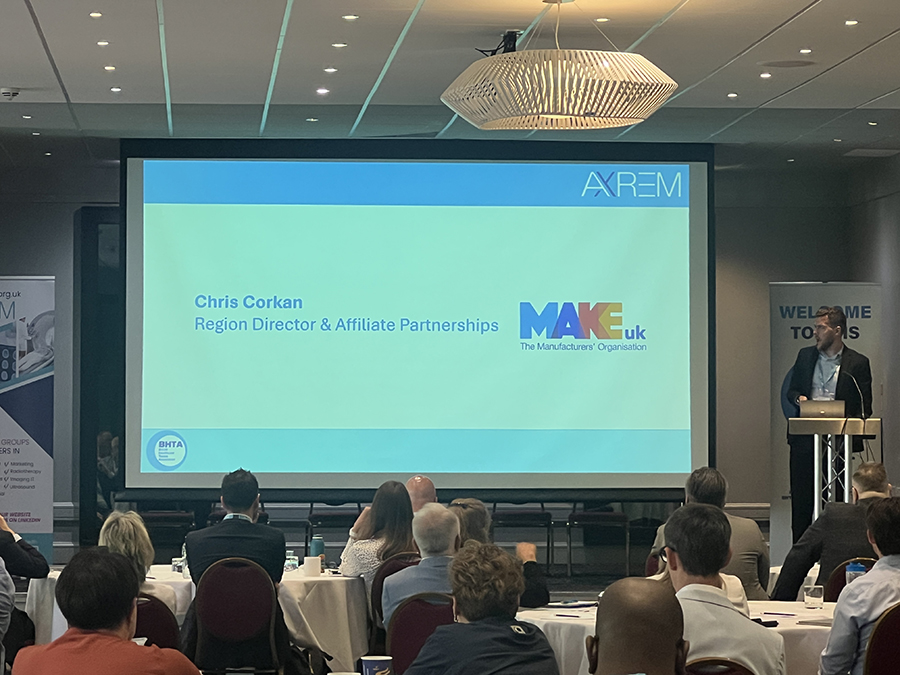
Chris opened by highlighting manufacturing’s enduring value to the UK economy – contributing over £200 billion in output, offering higher-than-average wages, and forming the backbone of many local communities. However, he also noted a concerning milestone: for the first time, the UK has dropped out of the world’s top 10 manufacturing nations, a shift driven by global geopolitical upheavals and intensified foreign investment elsewhere.
The central message of his address was clear: a robust, long-term industrial strategy is essential. Encouragingly, the UK Government has committed to one, with more details expected in June. Over 99 percent of UK manufacturers, according to Make UK, support the need for such a strategy to provide long-term certainty and support investment. For BHTA members, this could mean more predictable planning environments and better frameworks for innovation.

Chris addressed a range of urgent policy areas affecting manufacturers. These included concerns about industrial energy costs, which remain around 50 percent higher than in Europe, placing UK firms at a competitive disadvantage. He stressed that sectors such as steel and ceramics act as “canaries in the coal mine” for energy pricing and policy failures, and their challenges could soon impact medtech and wider manufacturing.
Another focal point was skills. The manufacturing sector is grappling with 55,000 unfilled vacancies – an acute issue for medtech companies that rely on technically skilled labour. Apprenticeships in manufacturing have halved since 2017, prompting calls to reform the apprenticeship levy and improve vocational pathways. Make UK is championing efforts like National Manufacturing Day (25 September 2025) to showcase modern careers and reshape outdated perceptions of the industry.
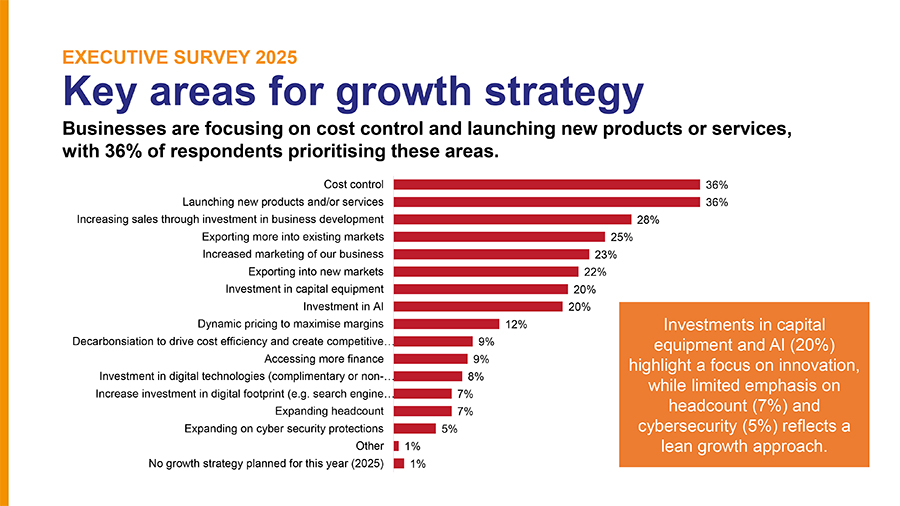
Policy uncertainty remains a major concern. Changes to National Insurance Contributions, inheritance tax, and immigration rules have had unintended negative effects on SMEs. Meanwhile, the Employment Rights Bill, though well-intentioned, could complicate hiring practices, particularly during probationary periods. Chris stressed the importance of nuanced legislation that recognises the manufacturing sector’s strong track record on jobs and conditions.
In terms of performance, manufacturers are seeing weak order books, cautious investment, and falling employment intentions, largely driven by cost pressures and faltering confidence. Nonetheless, there’s cautious optimism. While confidence dipped after the Spring Budget, 63 percent of manufacturers still believe the opportunities ahead outweigh the risks.
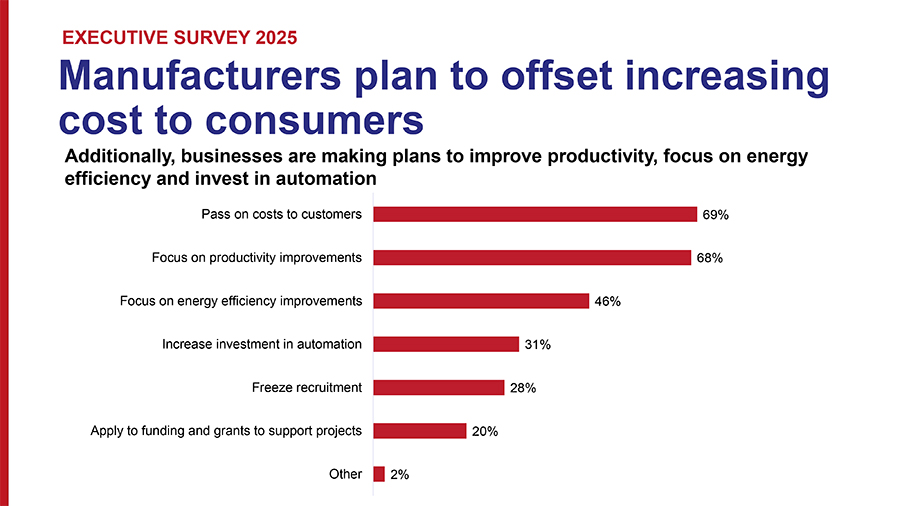
For BHTA members, Chris’ presentation underscored both challenge and opportunity. A more strategic national approach to manufacturing could unlock growth, innovation, and export potential for the healthcare and medtech sectors. With policy reviews and industrial strategy announcements on the horizon, Chris encouraged manufacturers to stay engaged and make their voices heard.