
- Back
- Back
- Back
- Back
- Back
- Back
- Back
- Back
- Back
- Back
This consultation sought views on proposed changes to the legal framework governing powered mobility devices, including mobility scooters and powered wheelchairs. Led by the Department for Transport, the review considered whether existing legislation remains appropriate in light of technological developments and increased use of these devices.
The consultation explored issues such as vehicle classification, safety requirements, speed limits, and use in public spaces, with the aim of ensuring that regulation remains proportionate while supporting safe and accessible mobility. It also considered how changes could impact users, manufacturers and suppliers.
The BHTA encouraged members to review the proposals and consider any potential implications for product design, compliance and market access.
Download the relevant documents:
Click HERE to download the consultation document.
Click HERE to download the BHTA response to this consultation.
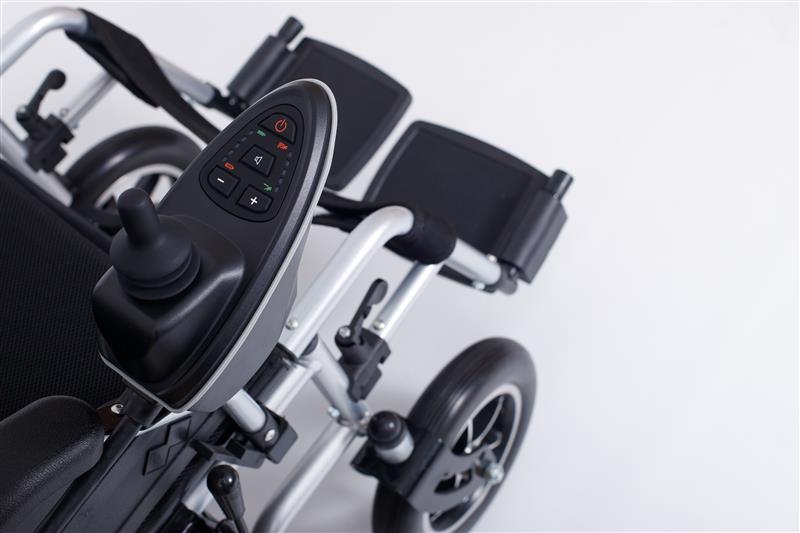
The British Healthcare Trades Association (BHTA) is calling on its members to respond to a new UK Government consultation that is seeking views from industry to modernise laws on powered mobility devices, which includes electric wheelchairs and mobility scooters.
Launched on 6 January 2026, the Department for Transport’s (DfT) 12-week consultation seeks to review size, speed, and usage rules to better reflect modern technology and improve safety.
According to the DfT, current legislation is nearly 40 years old and does not reflect the technological advances that have transformed powered mobility devices. For example, some modern wheelchairs used by adults and children exceed the current maximum legal weight limit, meaning they can only legally be used on private land.
The consultation seeks views on how regulations should evolve to better support people who rely on powered mobility devices, while ensuring safety for everyone who uses roads and pavements.
A variety of crucial topics are covered in the consultation, including:
Simon Lightwood MP, Minister for Roads and Buses, said: “Powered mobility devices give people independence and freedom and the law should enable their safe use. This consultation is a chance for users and organisations to help us modernise these outdated rules and ensure they meet today’s needs.”
This consultation focuses only on the legislation that governs the use of mobility devices, or powered mobility devices, on the road and pavement in Great Britain.
The consultation deadline is 11.59pm on 31 March 2026. BHTA members can respond online here.
DfT says that a summary of responses, including the next steps, will be published within three months of the consultation closing.